If you plan to use your deck or patio in every season, picking the right waterproof patio awnings is a bigger deal than just color and size. The material, frame, pitch, wind, and snow ratings, and even fire-safety listings, all matter when you want truly all-weather patio awnings that hold up in real conditions.
Here’s a clear, source-backed checklist to help you choose confidently.
Know the Difference: Waterproof vs. Water-Resistant
“Waterproof” and “water-resistant” aren’t the same.
- Waterproof fabrics (typically vinyl or PVC-coated textiles) block water completely, with no soaking through, when properly installed and pitched. sailrite.com
- Water-resistant fabrics (commonly solution-dyed acrylic) shed light to moderate rain and dry quickly, but they are not 100% waterproof under sustained or wind-driven rain. They shine for colorfastness and breathability, which helps resist mildew.
Practical takeaway: for routine showers and mixed climates, premium acrylic is excellent. If you expect frequent downpours or want “storm-ready” coverage, look at PVC-coated options labeled waterproof.
Get the Pitch Right (So Rain Runs Off)
Even the best fabric will sag if water pools. Awnings need a minimum pitch, so rain sheds instead collect. Many shade pros recommend ~14° as a sweet spot for runoff and headroom; some installers advise 10–20° depending on your projection and site. Adjustable-pitch hardware lets you tweak the angle before or during rain.
Match Fabric to Your Weather Pattern
- Solution-dyed acrylic (e.g., Sunbrella®) is breathable, UV-stable, and resists fading and mildew—great for three-season use and light rain. Many lines carry long fade warranties (often ~10 years for color).
- Vinyl/PVC-coated polyester is thicker, less breathable, and fully waterproof when seams and edges are done right. It’s a strong choice for regular rain, coastal exposure, and covered-dining applications where you want maximum drip protection.
If you’re unsure, consider a hybrid approach: acrylic for main sun areas and a PVC waterproof panel above dining or grill zones. A local fabricator can mix and match to your plan.
Wind Ratings: What “All-Weather” Really Means
Fabric doesn’t stand up to wind by itself; the frame, arms, and mounting do the heavy lifting. Many manufacturers reference EN 13561 wind classes or the Beaufort scale as a guide:
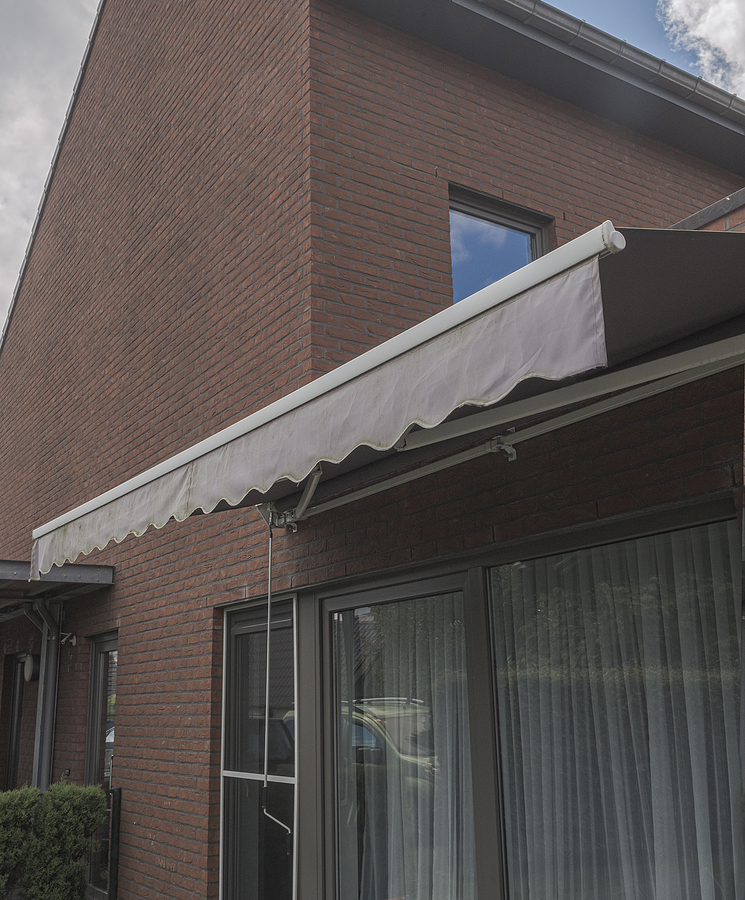
- Class 2 / Beaufort 5 (~20–24 mph) is a common rating for quality retractables; higher-end models can reach Class 3 (stronger winds). If winds exceed the class, retract it.
Add a wind sensor for motorized units so the awning auto-retracts when gusts spike.
Winter Reality: Rain, Ice, and Snow
“Year-round” doesn’t mean “leave it open in a snowstorm.” Most retractable awnings are not designed to carry snow loads and should be retracted in snow or freezing rain. That’s standard guidance from reputable dealers and installers.
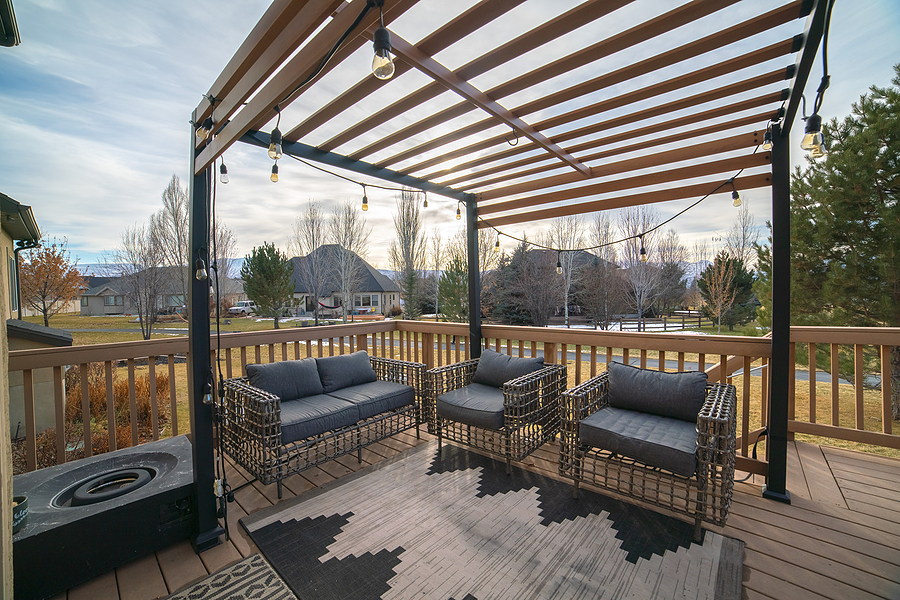
If you live in a heavy-snow region and want true four-season coverage left out in winter, consider engineered structures (e.g., louvered aluminum pergolas or fixed canopies) with published snow-load ratings (often 30–100+ psf depending on model). These systems integrate gutters, seal against rain, and are built to meet local codes.
That said, for many climates, a retractable waterproof awning plus good pitch gives reliable rain protection year-round—you’ll just close it for snow events.
Fire Safety & Codes (Often Overlooked)
If your awning will shade a grill zone, fire table, commercial patio, or event space, ask for fabrics that meet NFPA 701 (flame resistance test). Many vinyl-coated and specialty textiles carry this listing, and some municipalities require it for commercial installs.
Details That Extend Service Life
- Hardware & Frame: Look for powder-coated aluminum with stainless fasteners to resist corrosion. Wall mounts should tie into the structure (not just sheathing).
- Seams & Edges: Waterproof fabrics need sealed seams and proper valance details to avoid wicking.
- Gutters & Drip Control: Some systems integrate front-bar gutters; others add side panels or rain skirts to direct runoff where you want it.
- Care: Keep fabric clean so dirt and pollen don’t act like sandpaper. Periodic rinse/soft-brush extends coating life and appearance. (These are standard best practices across major awning makers and dealers.)
Warranty Signals Quality
Longevity claims vary, but you’ll often see long fade warranties on acrylic (e.g., ~10 years for colorfastness) and robust structural warranties on premium frames. Use the fine print to compare value rather than price alone.
Quick Buyer’s Checklist
- Climate fit: Frequent rain? Choose waterproof PVC-coated fabric. Mixed weather and color priority? Solution-dyed acrylic.
- Pitch: Target ~14–20° (or adjustable pitch) to prevent pooling.
- Wind plan: Confirm EN 13561 class or Beaufort equivalence; add wind sensors for motorized units.
- Winter plan: Retract for snow/ice, or step up to a rated louvered pergola for true four-season, all-winter use.
- Safety: If codes apply, ask for NFPA 701 fabric documentation.
For most homes, waterproof patio awnings with the right pitch turn a fair-weather deck into an all-weather patio awning setup you’ll use far more often. Pick the fabric for your rain exposure, verify wind class, and plan a winter routine (retract in snow or choose a structure with a published snow-load rating). Do that, and your outdoor room will actually work in all four seasons, without constant maintenance or mid-storm surprises.
Make Your Patio Truly Four-Season
CanvasWorks designs and installs custom awnings and all-weather shade systems matched to your climate, waterproof fabrics, adjustable pitch, wind sensors, and code-appropriate materials. If you need all-weather coverage, we can also spec louvered systems with published wind and snow-load ratings. Contact us for a quote.


 © 2024 CanvasWorks Inc. All Rights Reserved.