If you’re shopping for an awning, you’ve probably come across the term wind ratings for retractable awnings and wondered what it actually means. Is it a safety number? A durability standard? Or just another technical spec that sounds more complicated than it needs to be?
The truth is, wind ratings are one of the most important factors to understand before installing a retractable awning, especially in areas where weather conditions can shift quickly. Awnings are designed to provide shade, comfort, and outdoor usability, but they are not meant to withstand every type of weather event. Knowing how wind ratings work helps you protect your investment and get the best long-term performance from your awning system.
Let’s break it down in simple terms so you can make a more informed decision.
What Are Wind Ratings for Retractable Awnings?
Wind ratings for retractable awnings refer to the level of wind force an awning can safely handle while extended. These ratings are typically based on engineering tests and manufacturer guidelines that measure structural strength, fabric tension, and frame stability under wind pressure.
In practical terms, a wind rating tells you how much wind your awning can resist before it should be retracted. This is not just about preventing damage to the fabric. Strong winds can put stress on the arms, mounting hardware, and overall frame system. Over time, repeated exposure to wind beyond recommended limits can shorten the lifespan of the awning.
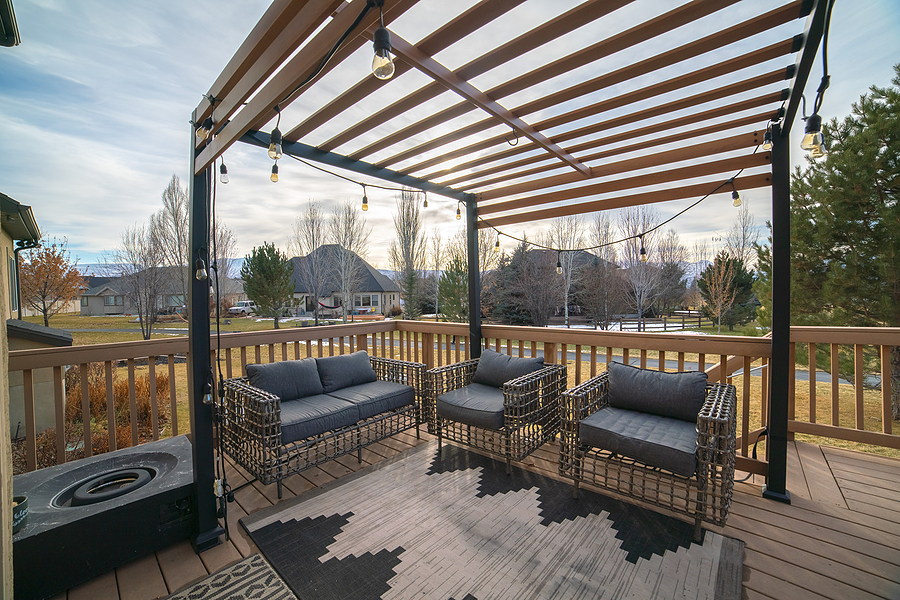
It’s important to understand that retractable awning wind resistance is different from permanent structures like pergolas or fixed canopies. Retractable systems are designed for flexibility, not for remaining extended during storms or high-wind conditions.
Why Wind Resistance Matters More Than Most Homeowners Realize
Many people assume that if an awning looks sturdy, it can handle strong wind without any issues. Unfortunately, that assumption often leads to premature wear or unexpected repairs.
Wind creates lift and pressure against the awning fabric, especially when the awning is fully extended. Even moderate gusts can cause movement that stresses the mechanical components. Over time, this stress can lead to misalignment, fabric strain, or arm damage if the awning is repeatedly exposed to conditions beyond its intended wind rating.
Understanding retractable awning wind resistance helps you use your awning correctly. It is not about avoiding outdoor use. It is about knowing when to retract the awning to prevent unnecessary strain.
How Wind Ratings Are Typically Measured
Most retractable awning systems are tested under controlled conditions to determine their performance in various wind speeds. While exact numbers can vary by manufacturer and model, the general idea remains consistent: the higher the rating, the better the awning can handle wind when properly installed.
However, installation plays a major role in real-world performance. Even the strongest awning will not perform as expected if it is poorly mounted or installed on an unsuitable surface. Proper anchoring and professional installation ensure the system distributes wind pressure correctly across the frame and mounting points.
That’s why working with experienced awning professionals is just as important as selecting a high-quality product.
Manual vs Motorized Awnings and Wind Protection
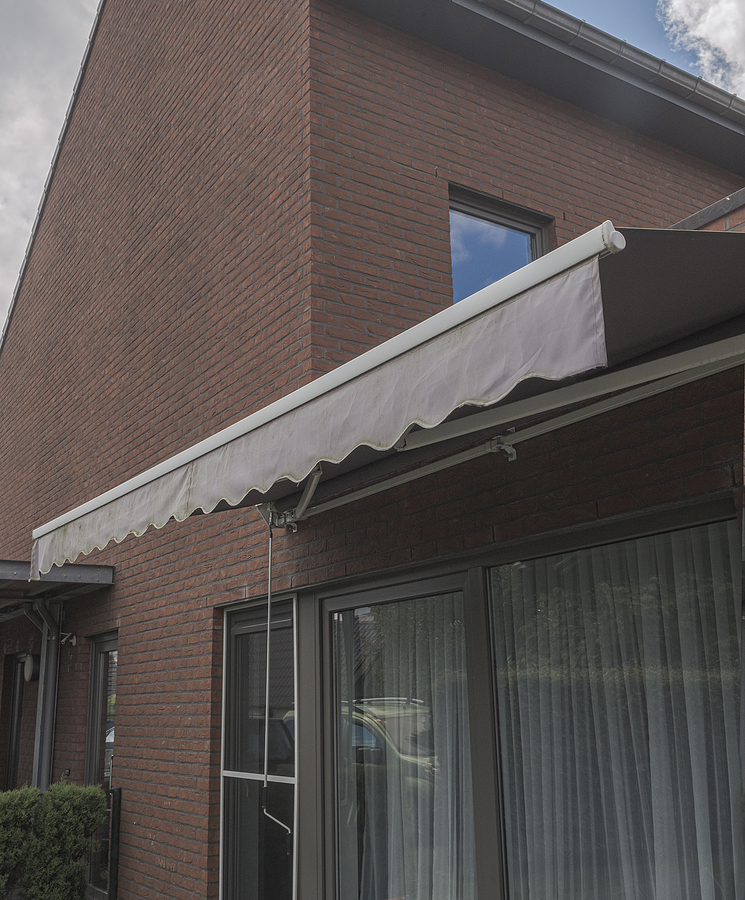
Another factor that affects wind performance is whether the awning is manual or motorized. Motorized retractable awnings often include optional wind sensors that automatically retract the awning when wind speeds increase. This feature significantly improves long-term durability and reduces the risk of weather-related damage.
Manual awnings, on the other hand, rely on the homeowner to monitor weather conditions and retract the system when needed. While they can still offer excellent retractable awning wind resistance, they require a more proactive approach during changing weather.
If you live in an area with unpredictable gusts or seasonal storms, automated retraction systems can add an extra layer of protection.
Environmental Factors That Impact Wind Resistance
Wind ratings are not the only variable that affects performance. The surrounding environment also plays a major role in how your awning handles wind exposure.
Homes located in open coastal areas, elevated decks, or wide backyards tend to experience stronger wind gusts compared to properties with natural wind barriers like fences, trees, or nearby structures. The direction of wind exposure and mounting height can also influence how much pressure the awning experiences.
A professional assessment of your space helps determine the best awning size, projection, and mounting method to maximize stability and longevity.
Best Practices for Protecting Your Retractable Awning in Wind
The simplest way to protect your awning is to treat it as a shade solution, not a storm shield. Retracting your awning during strong winds, storms, or heavy weather is one of the most effective ways to extend its lifespan.
Regular maintenance also helps. Keeping the fabric clean, checking mounting hardware, and ensuring the arms operate smoothly all contribute to consistent performance. When an awning is properly maintained and used within its recommended wind limits, it can provide years of reliable outdoor comfort.
Choosing the Right Awning for Long-Term Performance
Not all retractable awnings are built the same. Frame strength, fabric quality, and installation expertise all influence how well an awning performs in real-world conditions. Investing in a professionally designed and installed system ensures that wind ratings are not just theoretical but practical for your specific outdoor space.
At the end of the day, understanding wind ratings for retractable awnings allows you to use your system confidently while protecting it from unnecessary damage. With the right product and proper use, you can enjoy shade, comfort, and outdoor living without worrying about every passing breeze.
Get Expert Guidance from Canvas Works, Inc.
Choosing the right retractable awning involves more than just picking a style or color. It requires understanding wind ratings, proper installation, and the unique environmental factors of your property. At CanvasWorks, Inc., our team specializes in high-quality retractable awning solutions designed for durability, performance, and long-term outdoor enjoyment.
If you’re considering a new awning or upgrading an existing one, contact CanvasWorks, Inc. today. Speak with experienced professionals who can recommend the right system for your space and ensure it’s installed for optimal retractable awning wind resistance and reliability.


 © 2024 CanvasWorks Inc. All Rights Reserved.